This memorandum sets out Marlowe Yard as a single property deal that a lender and an equity investor can each underwrite. It is a 48-home for-sale condominium on a secured corner in RiNo, Denver, built over 32 months for a $72.2M gross development value against $53.3M of cost, leaving $18.8M of profit. We are seeking a $32.0M senior development loan at 60% loan-to-cost and $16.0M of LP equity alongside it.
memo
3. Detailed Memo
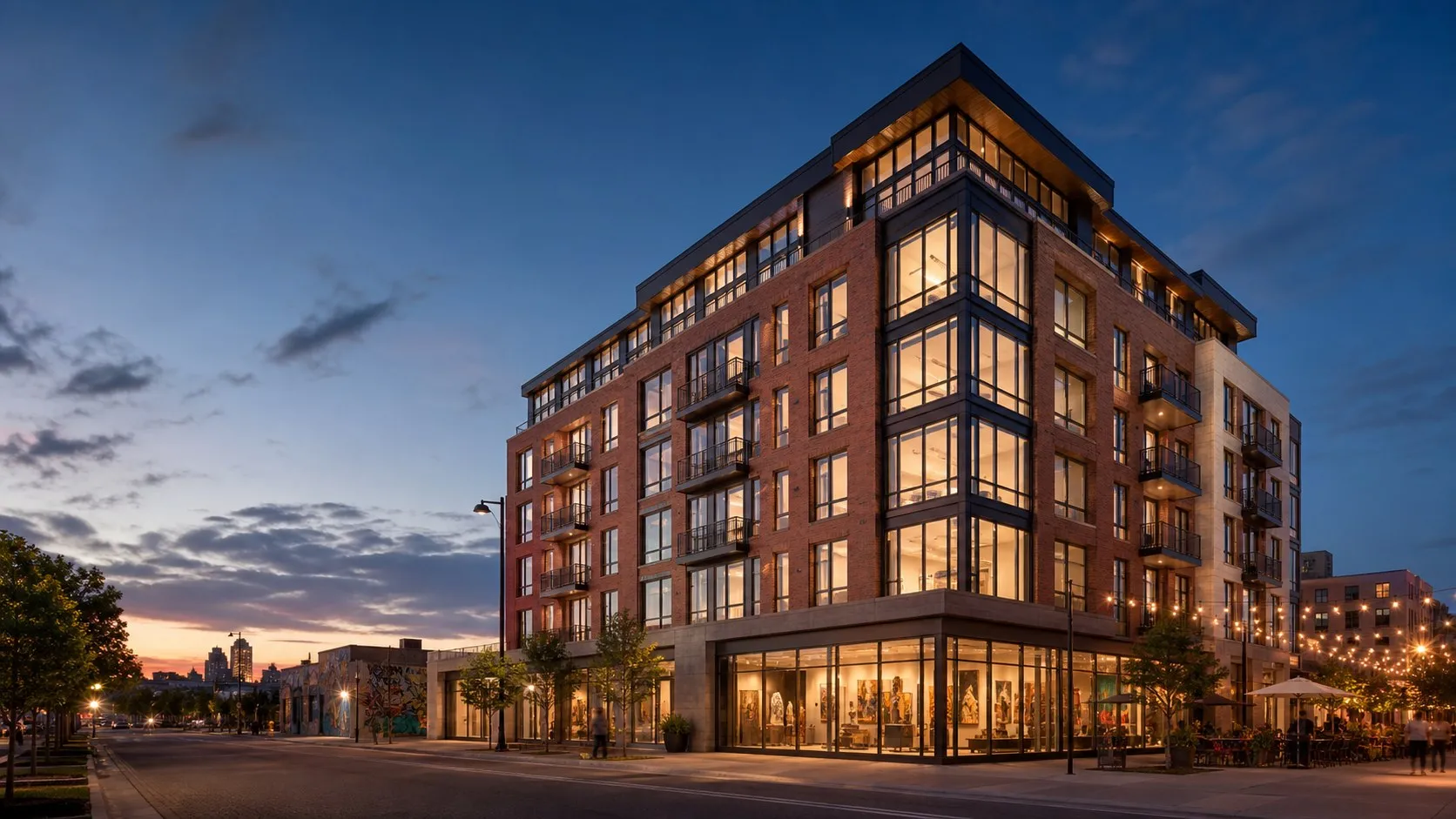
Marlowe Yard
A 48-home boutique for-sale condominium in Denver's RiNo. Six storeys of owned homes, built and sold over a 32-month programme for a $72.2M gross development value.
RaiseDebt and equity
Ask$32.0M senior debt · $16.0M LP equity
DateJuly 2026
Section 01
Cover
M 01 / 16
Section 02
Executive summary
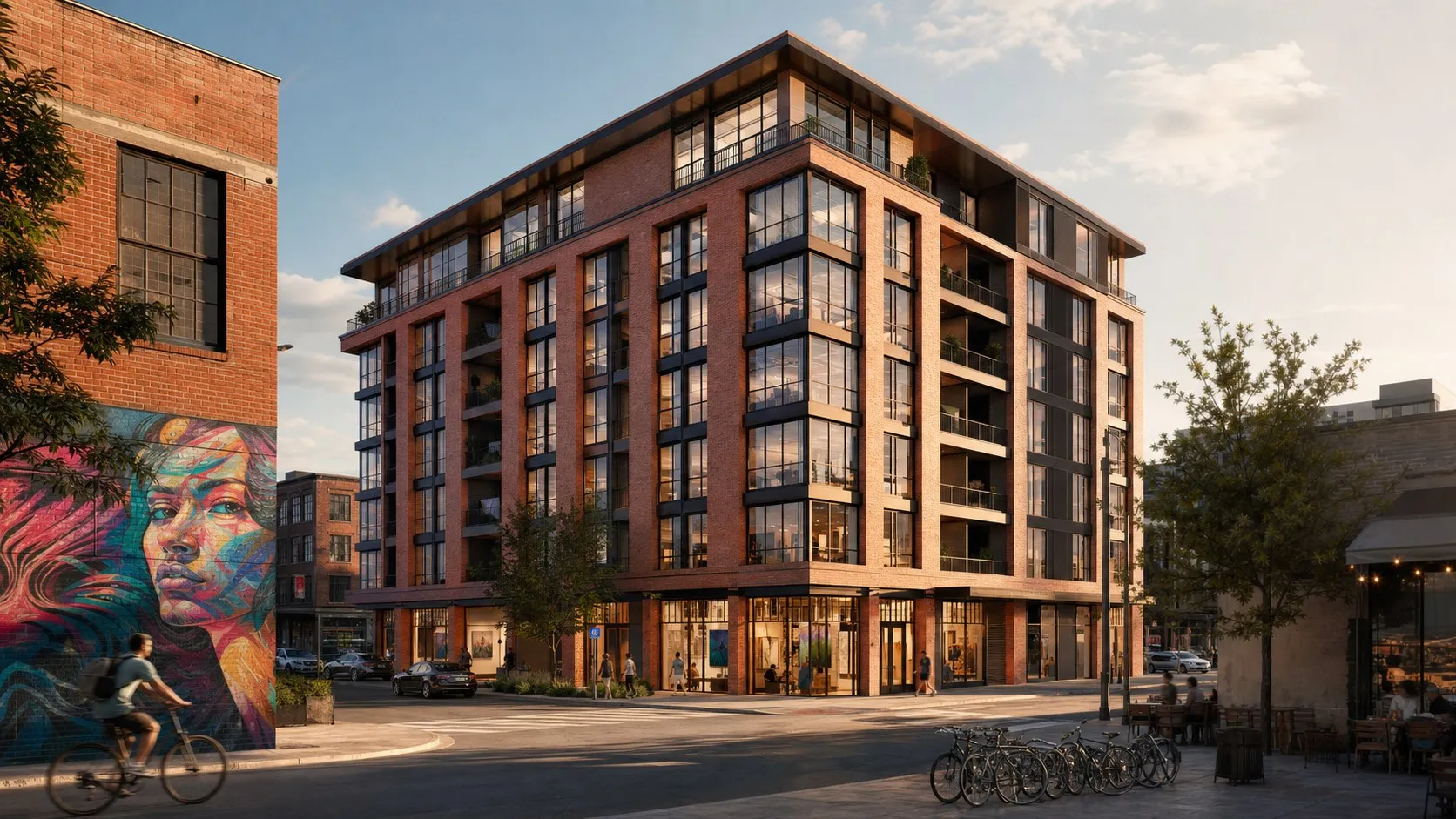
Marlowe Yard sells 48 homes for $72.2M against $53.3M of total cost, for $18.8M of development profit at 35.3% on cost and 26.1% on value. The site is a secured RiNo corner with entitlement in hand, built on a fixed-price contract over a 32-month programme.
We are seeking a $32.0M senior development loan at 60% loan-to-cost and 44% loan-to-GDV, repaid first from sales. Alongside it, $16.0M of LP equity earns a 26% net IRR and 1.7x over the hold. Interest is rolled up and the loan clears at sell-out.
M 02 / 16
Section 03
The opportunity
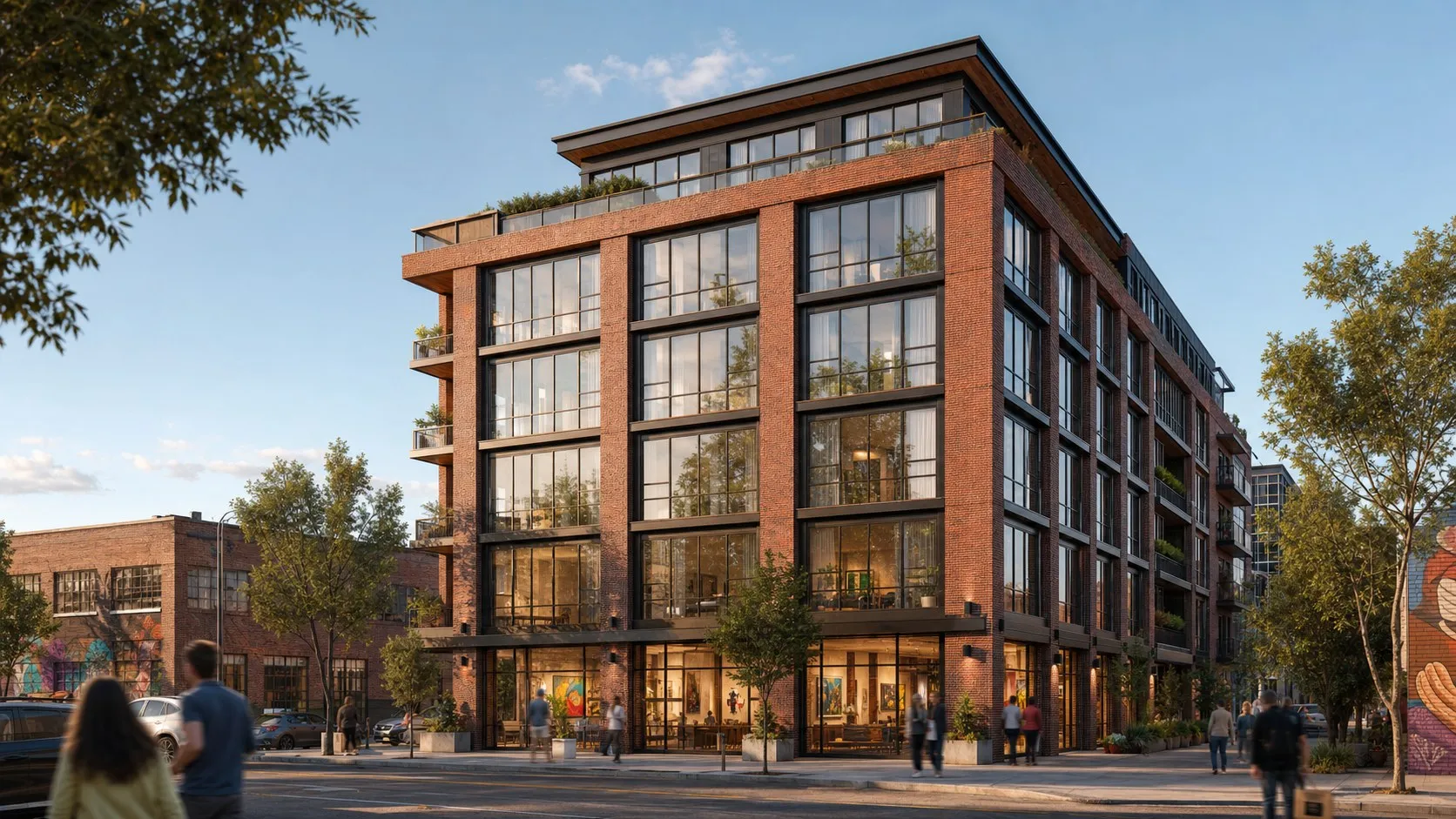
Denver keeps drawing high earners for the jobs, the outdoors and the lifestyle, and most of them want to own rather than rent. New construction in the core submarkets runs the other way: almost all of it is rental. A buyer who wants a well-built condo in RiNo has very little to choose from.
New condos in the best RiNo and LoHi projects already clear $900 to $1,300 a square foot. Marlowe prices below the top of that band at a blended $1,176, with larger and better-specified homes, and fills a gap the market is not building into.
M 03 / 16
Section 04
Property overview
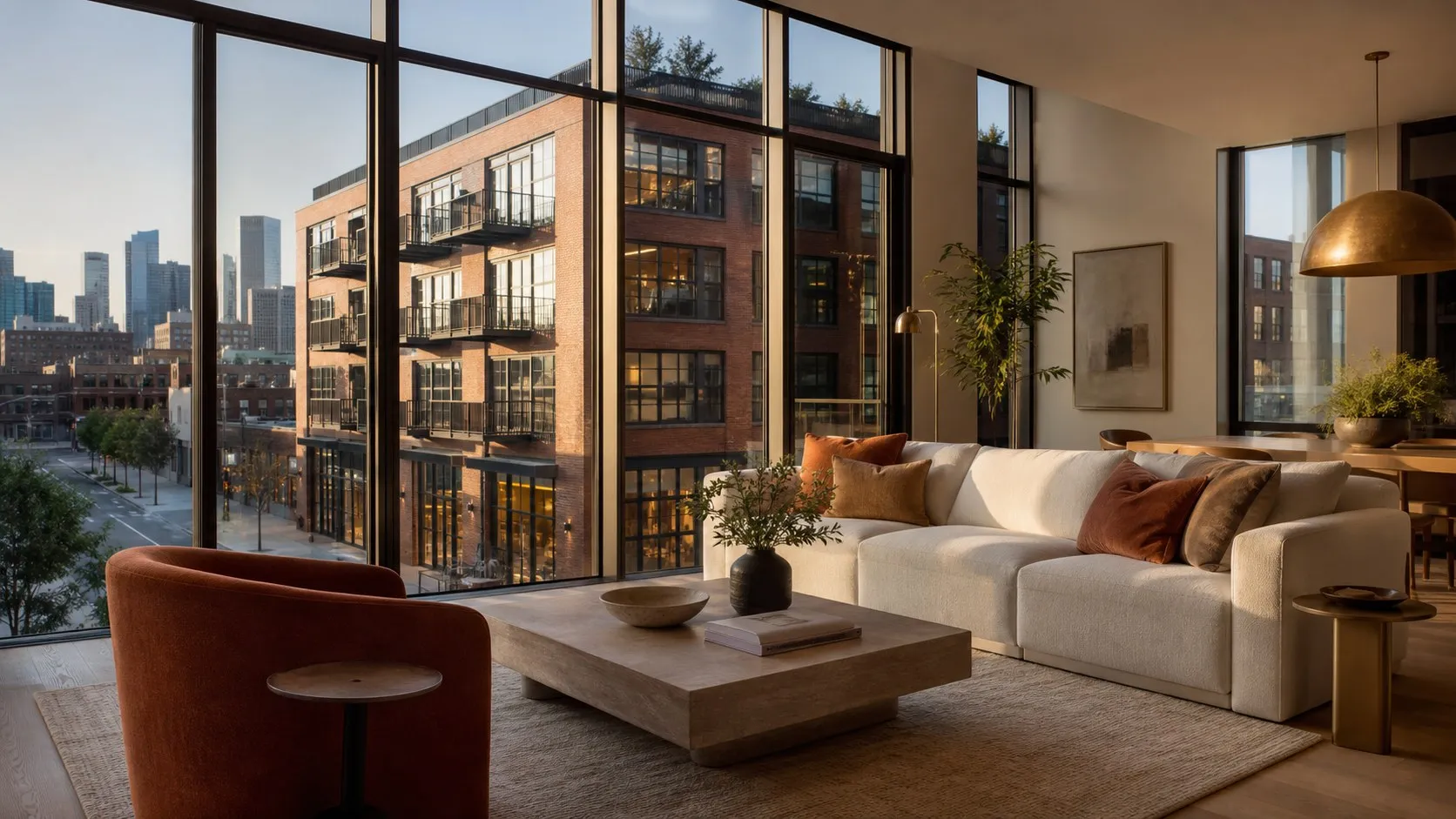
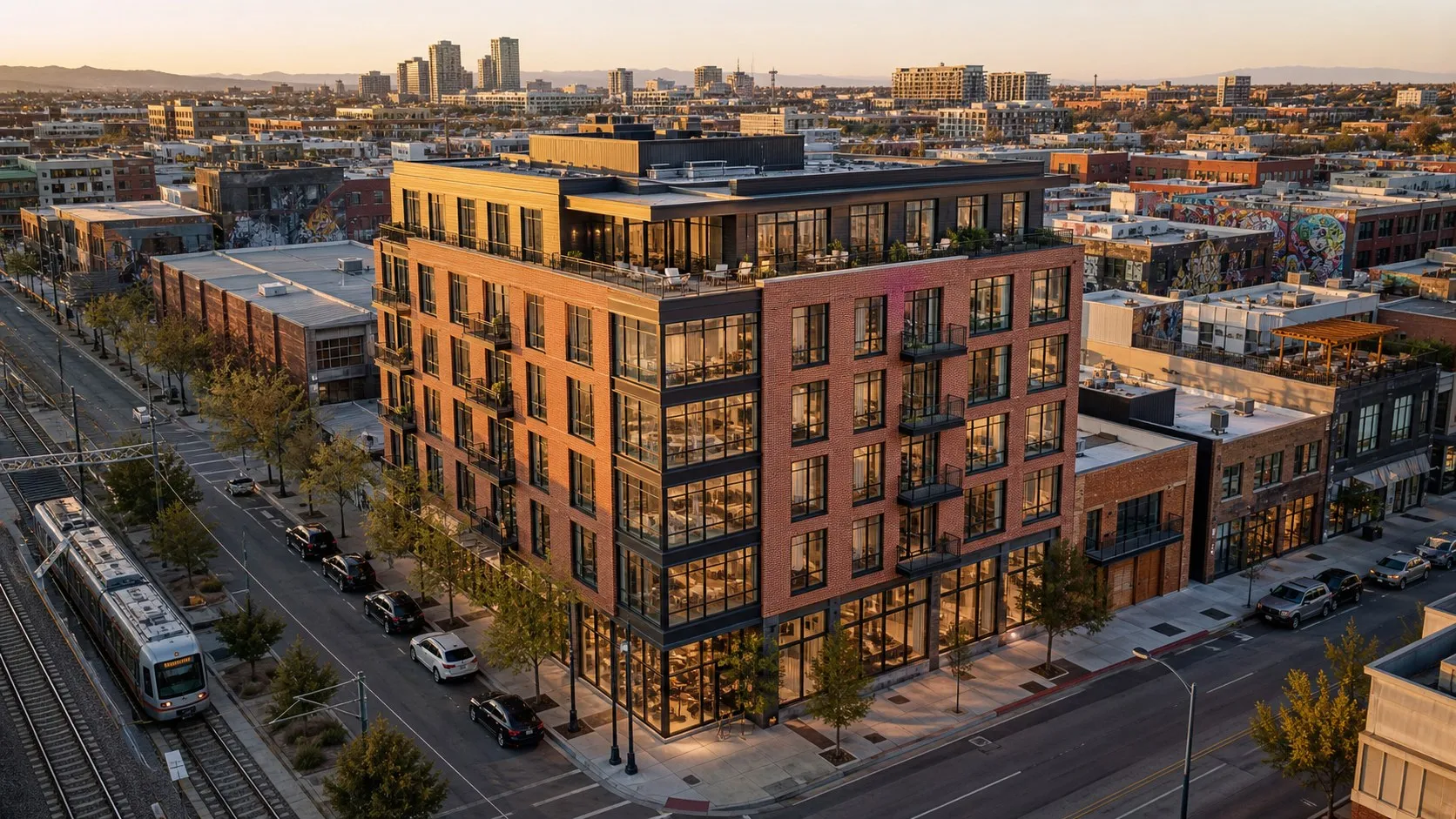
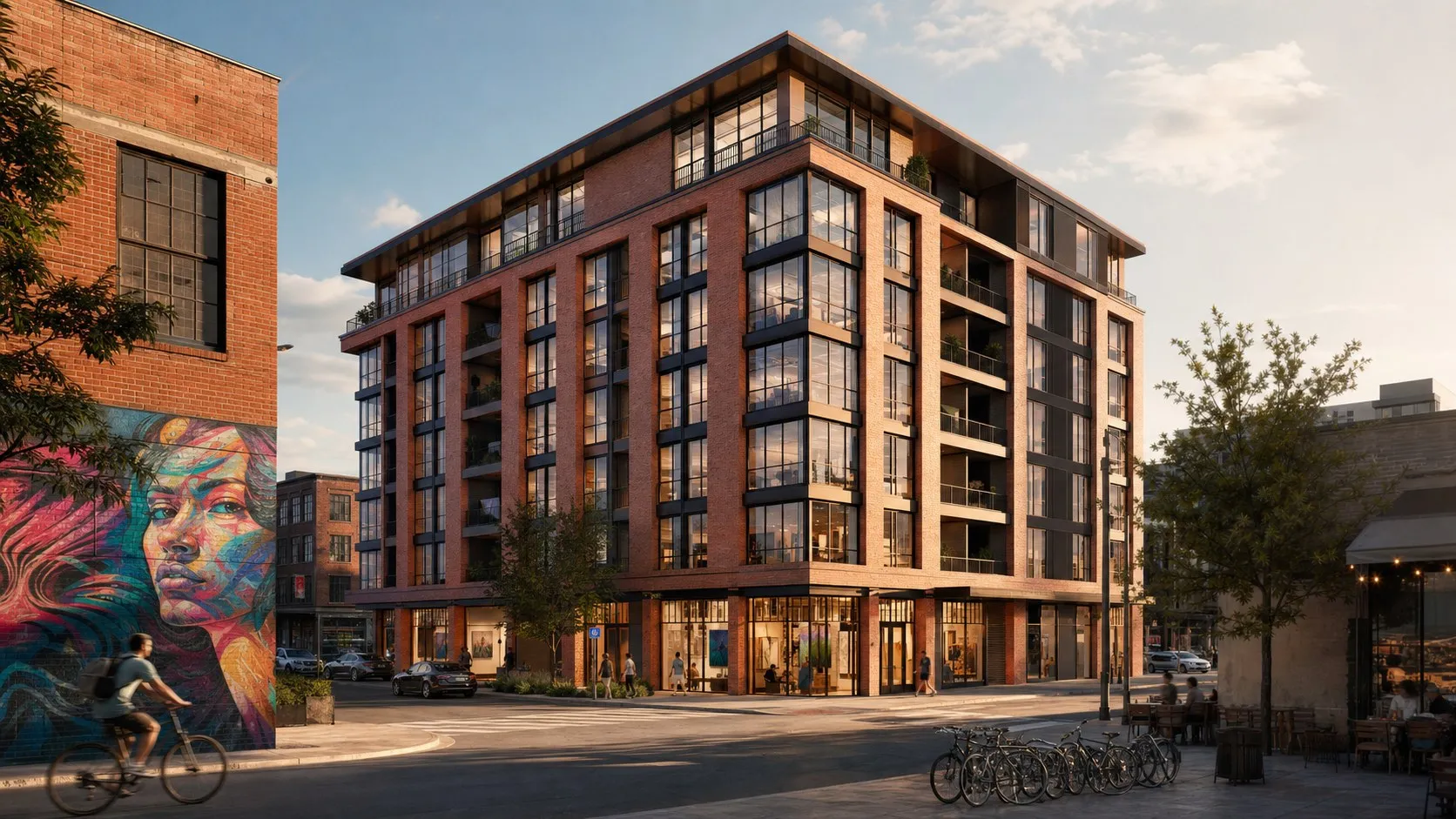
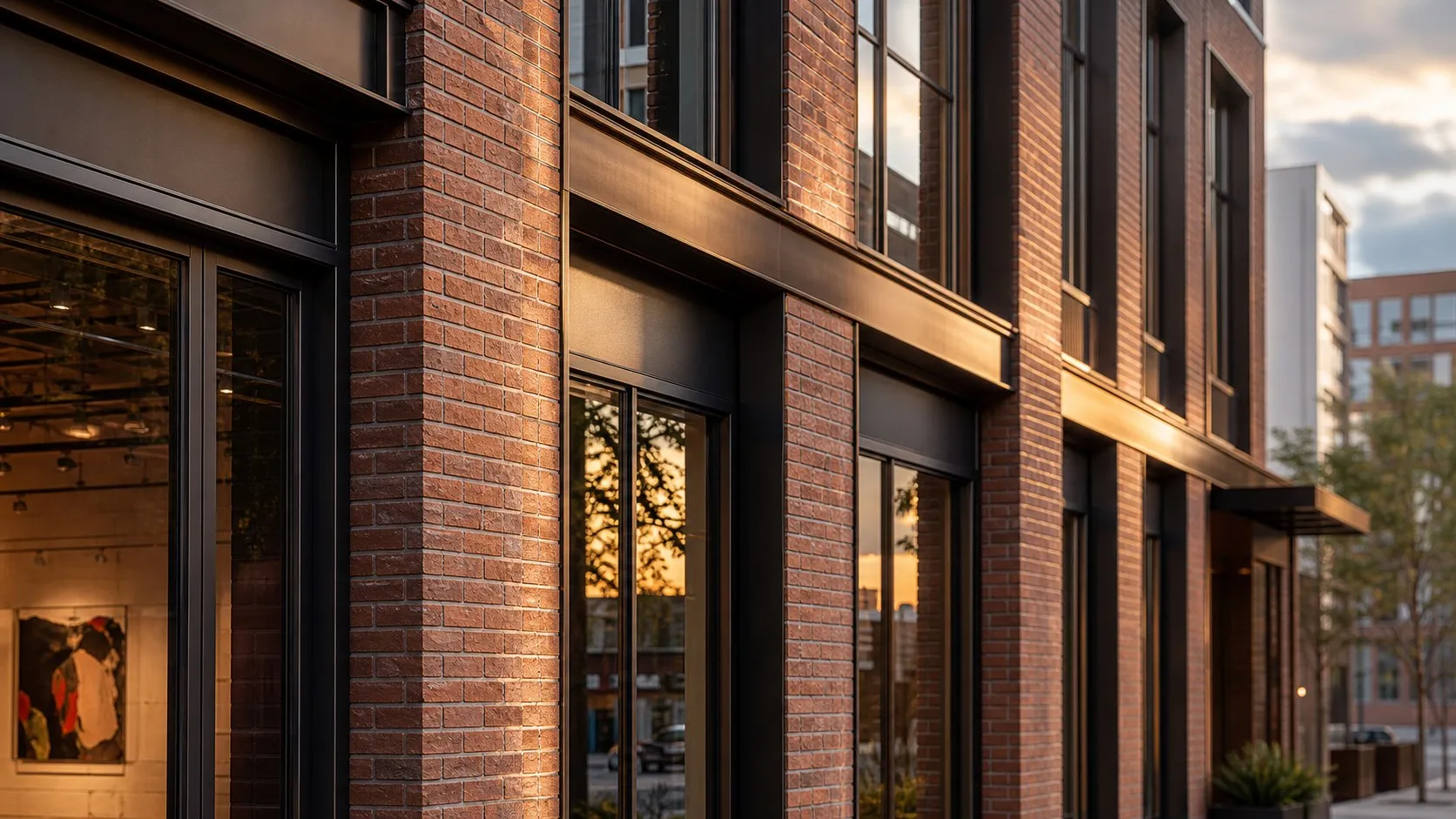
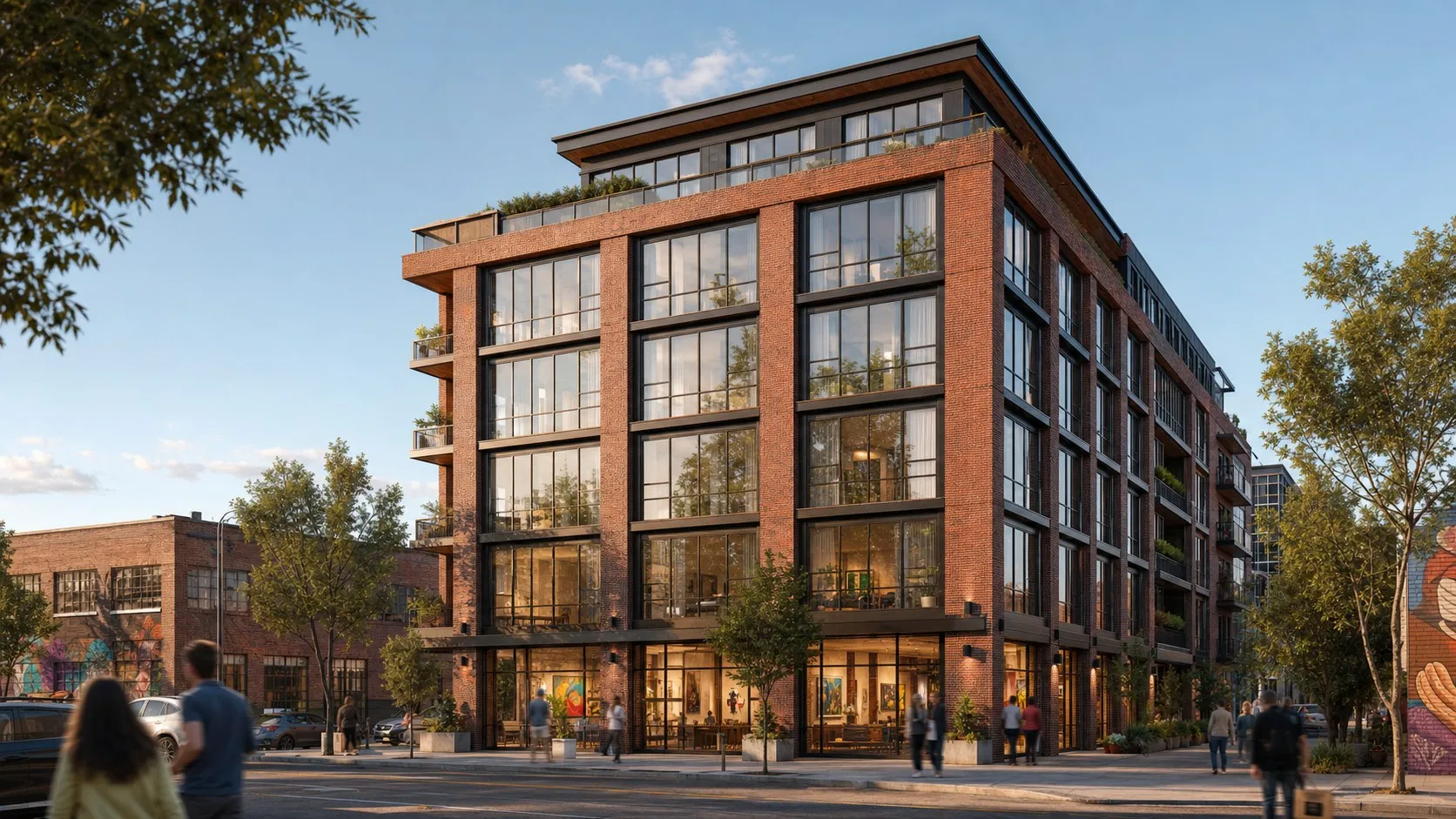
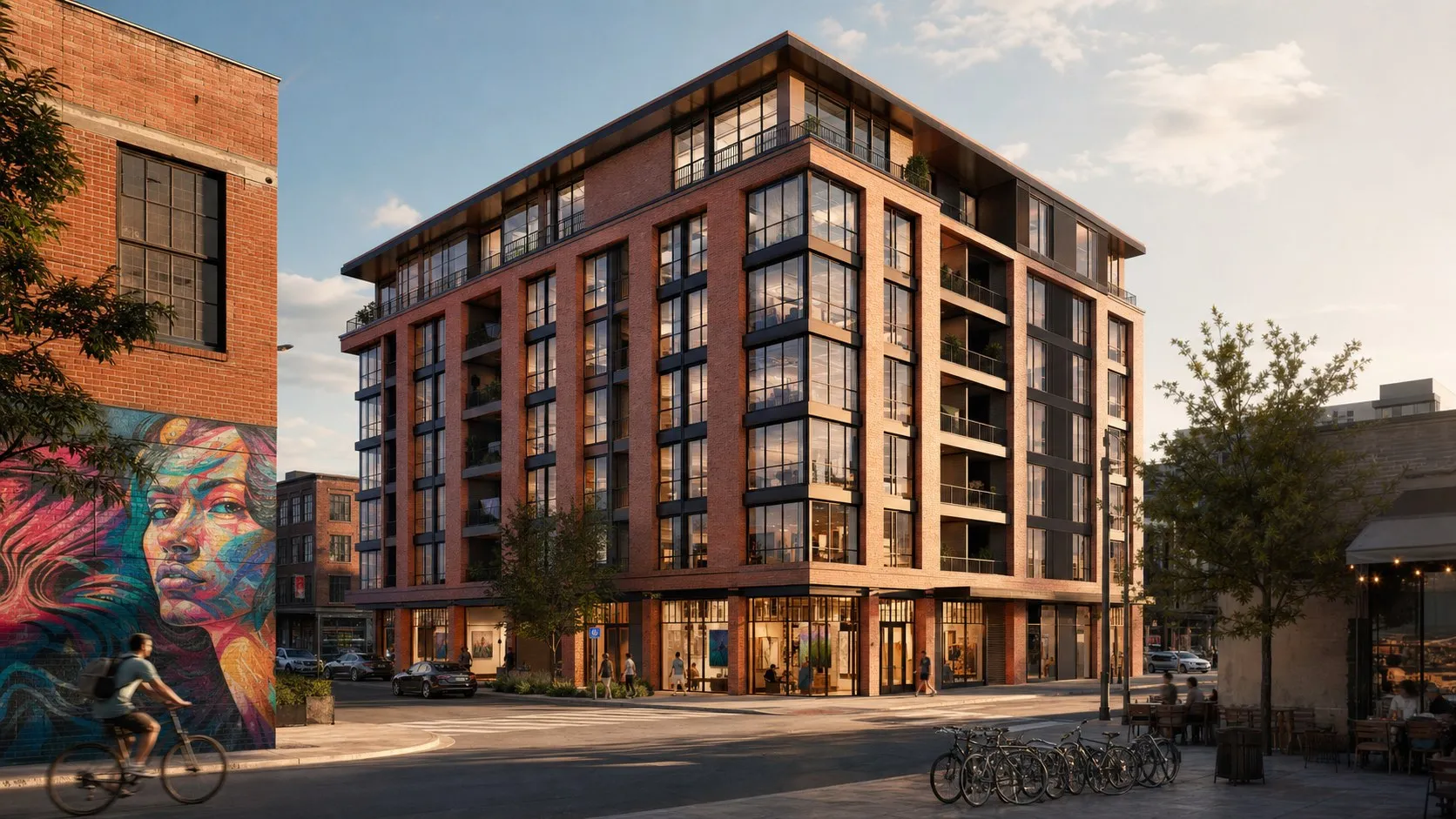
Marlowe Yard is 48 homes over six storeys on a RiNo corner. The mix runs from eight one-bedroom homes at 720 square feet to four penthouses at 2,300, with 26 two-bedrooms carrying the plan. Net saleable area is 61,360 square feet inside a 76,700 square foot building.
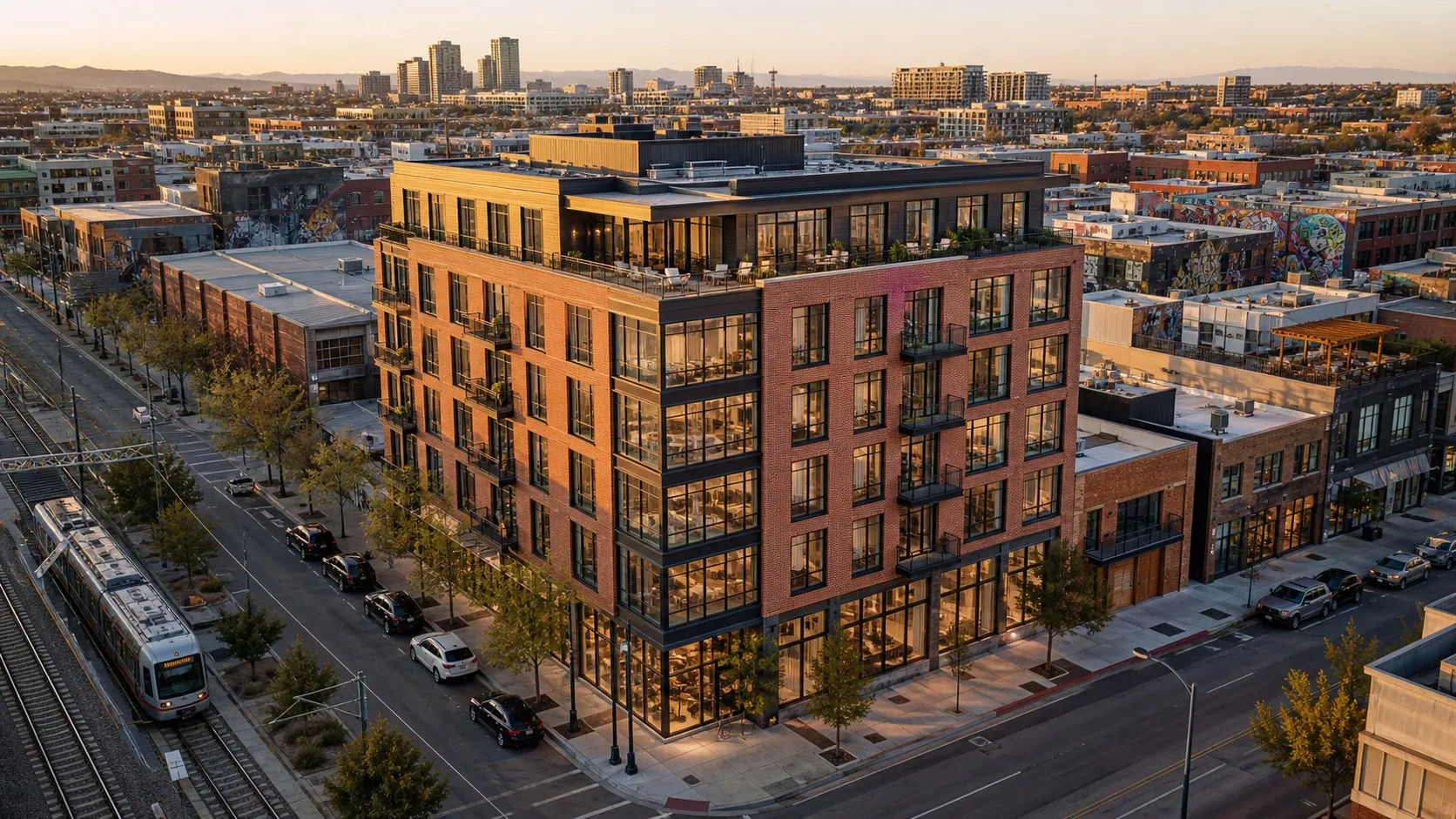
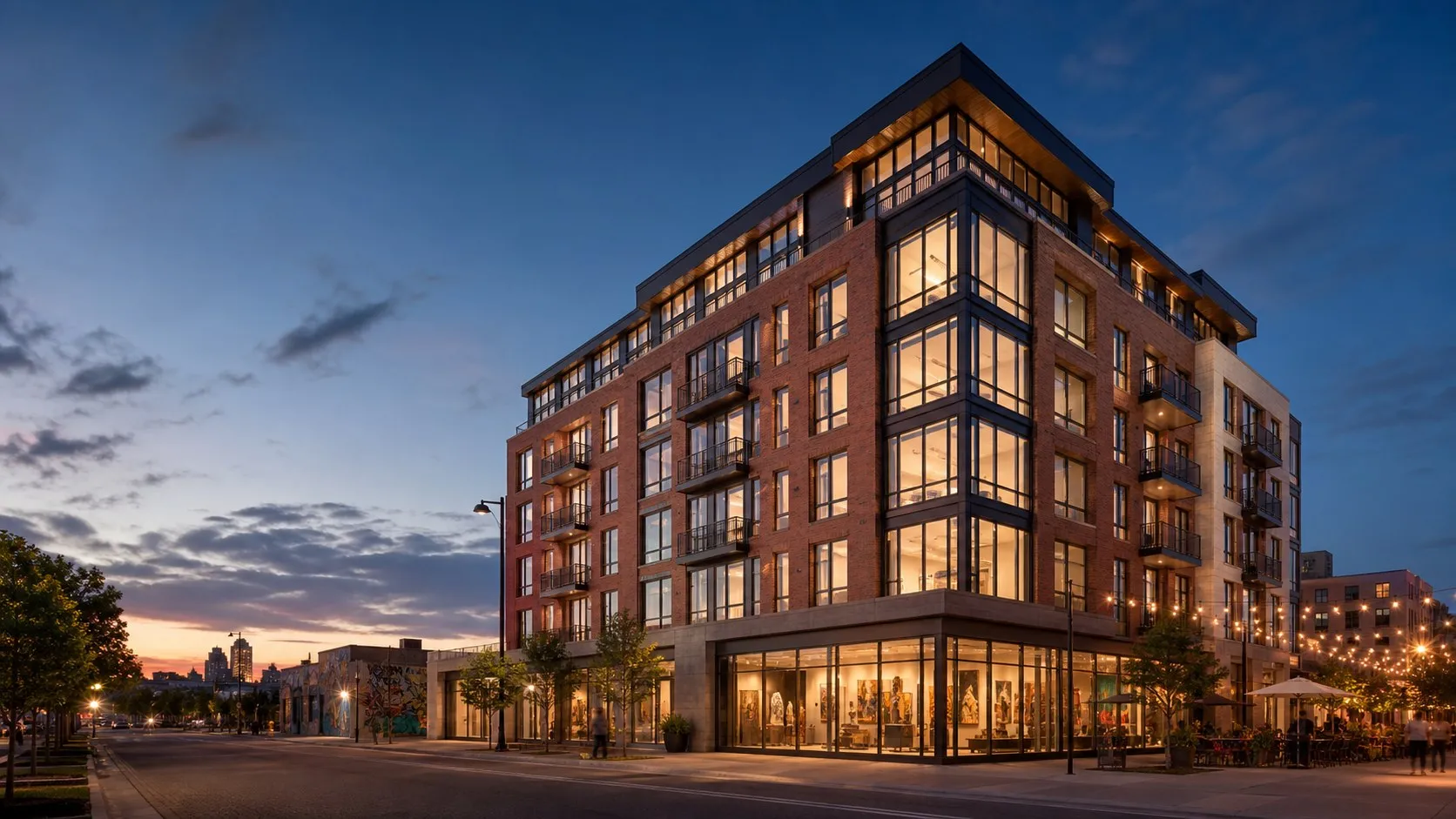
The ground floor holds a staffed lobby, a resident lounge and shared workspace. A structured garage provides 60 spaces, more than one per home, which is scarce and valued in the district. The site is a short walk from breweries, galleries and the 38th and Blake light-rail station.
M 04 / 16
Section 05
Market analysis
RiNo is Denver's fastest-changing submarket, transit-served at 38th and Blake and surrounded by an affluent, growing catchment of buyers who want to own. Demand keeps arriving while for-sale supply stays thin, because nearly all new construction here is rental.
Recent condo sales in premium RiNo and LoHi projects run $900 to $1,300 a square foot. Marlowe prices below the top of that band at $1,176, so the appraisal sits on comparable evidence rather than a stretch. Competition for boutique, owned product in the district is limited, which supports both pace and price.
M 05 / 16
Section 06
Development plan
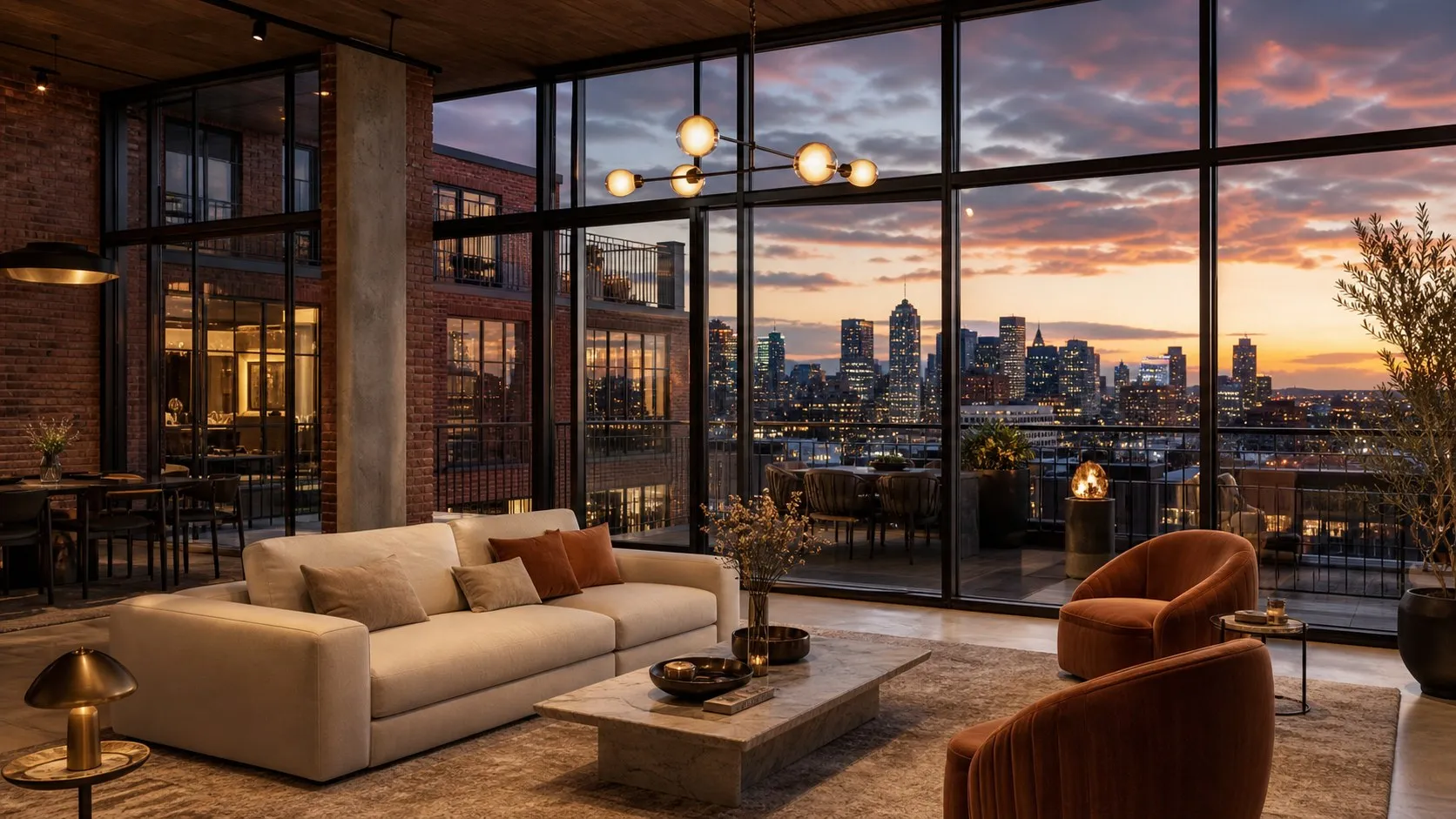
The programme runs 32 months from close to sell-out. Months 0 to 3 cover land closing, final entitlement and enabling works, and the sales gallery opens. Months 3 to 25 are construction, on a fixed-price contract with a Denver mid-rise builder, from superstructure to fit-out.
Reservations open around month 6, and we target about 55 percent of homes pre-sold by completion. Homes reach practical completion floor by floor from month 26, with closings weighted to months 26 to 31 and full sell-out by month 33. The senior loan is repaid first from sales proceeds.
M 06 / 16
Section 07
Financial projections
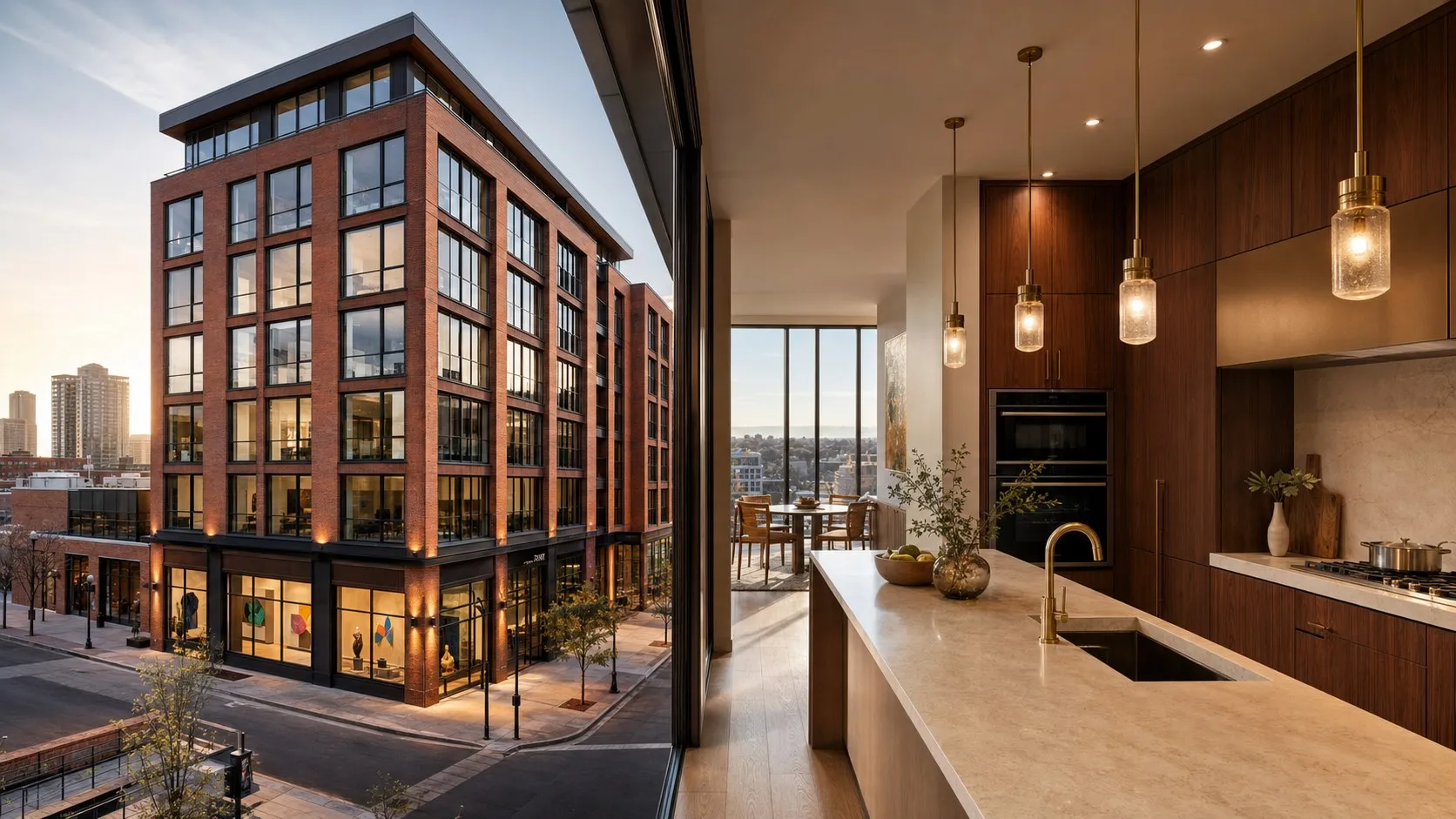
Gross development value is $72.2M, from 48 homes at a blended $1,176 a square foot. Total development cost is $53.3M, of which $11.0M is land, $32.0M is hard construction and the balance is fees, contingency, marketing and finance. Interest over the programme is $2.78M.
That leaves $18.8M of development profit, 35.3 percent on cost and 26.1 percent on gross development value. The senior loan is 60 percent of cost and 44 percent of value, so the appraisal carries a wide margin before either the loan or the equity is at risk.
M 07 / 16
Section 08
Cost breakdown
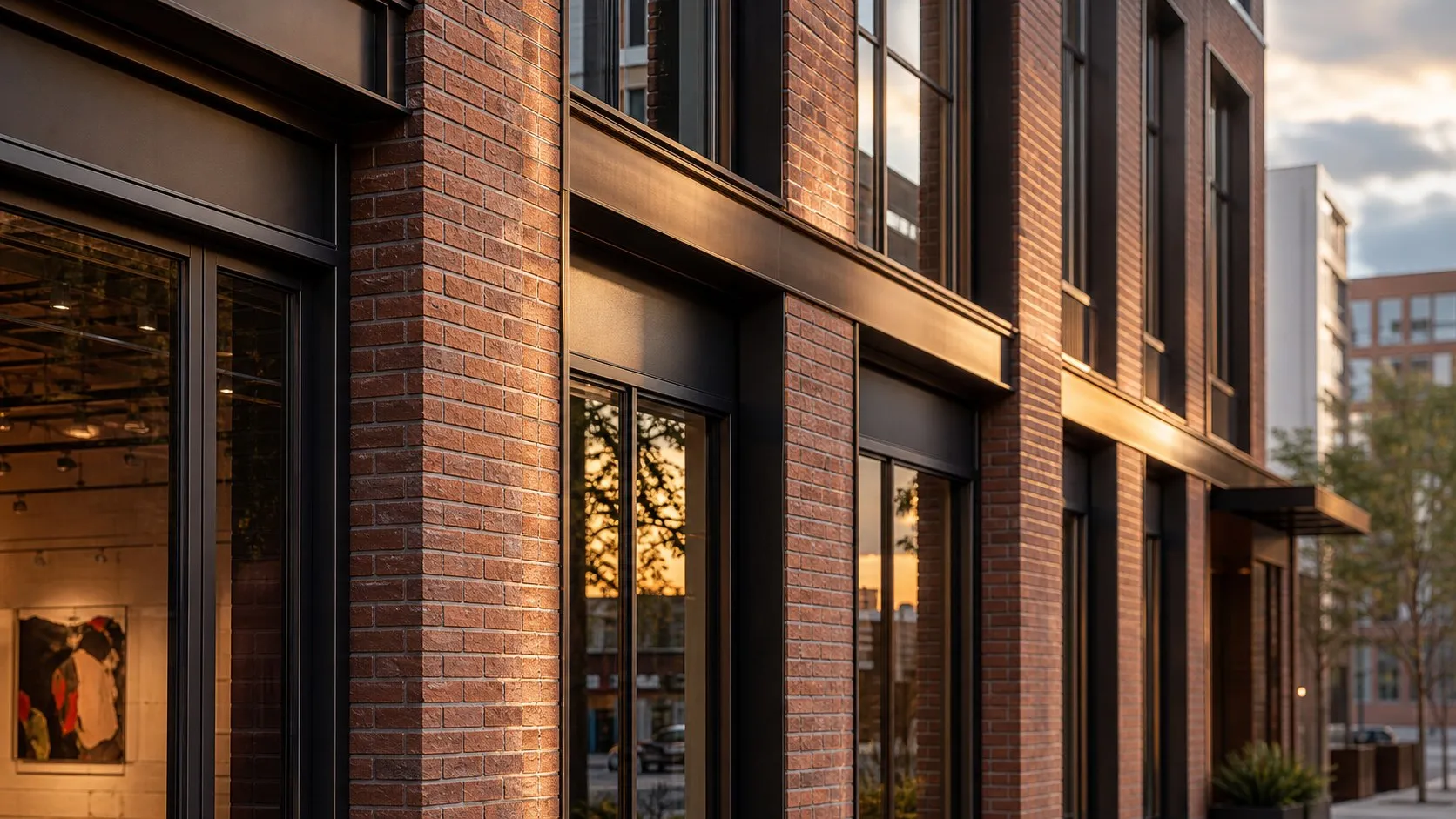
Total development cost is $53.3M. Land is $11.0M, the secured RiNo corner. Hard construction is $32.0M, the base build and structured parking, priced on a fixed-price contract. A 5 percent contingency adds $1.6M on the hard cost.
Professional fees run $3.52M, about 11 percent of construction. Sales and marketing is $1.44M, 2 percent of gross development value. Finance cost is $2.78M, rolled up over the programme. Acquisition and closing costs add $1.0M. Construction and land are 81 percent of the budget, so the plan turns on delivering the build to price.
M 08 / 16
Section 09
Sources & uses
Uses total $53.3M: $11.0M of land, $32.0M of construction, $1.6M of contingency, $3.52M of professional fees, $1.44M of sales and marketing, $2.78M of finance and $1.0M of acquisition and closing.
Sources total the same $53.3M. A $32.0M senior development loan funds 60 percent of cost. Equity funds the other 40 percent: $16.0M of LP equity, $2.0M of GP co-invest and $3.3M of land-partner rollover, for $21.3M in total. The deal reads as 60 percent debt and 40 percent equity.
M 09 / 16
Section 10
Debt terms & security
We are seeking a $32.0M senior development loan at 60 percent loan-to-cost and 44 percent loan-to-GDV, priced at about 9.5 percent over a term of roughly 32 months. Interest is rolled up and serviced from the facility, then the loan is repaid first from sales proceeds at sell-out.
Security is a first legal charge over the site, an assignment of the pre-sale contracts, a cost-overrun guarantee and a completion guarantee from the sponsor, and a debenture. At 44 percent of value with pre-sold contracts assigned, the facility sits well inside the appraisal.
M 10 / 16
Section 11
Equity & waterfall
Equity totals $21.3M: $16.0M of LP equity, $2.0M of GP co-invest and $3.3M of land-partner rollover. The GP co-invest keeps the sponsor's capital alongside the LP's.
Distributions follow a standard waterfall. LP capital returns first, then an 8 percent preferred return, then 80/20 to the GP up to an 18 percent LP IRR hurdle, then 70/30 above it. On the base appraisal the LP earns a 26 percent net IRR and 1.7x over the 32-month hold, against a project-level 31.5 percent and 1.87x before promote.
M 11 / 16
Section 12
Sponsor & team
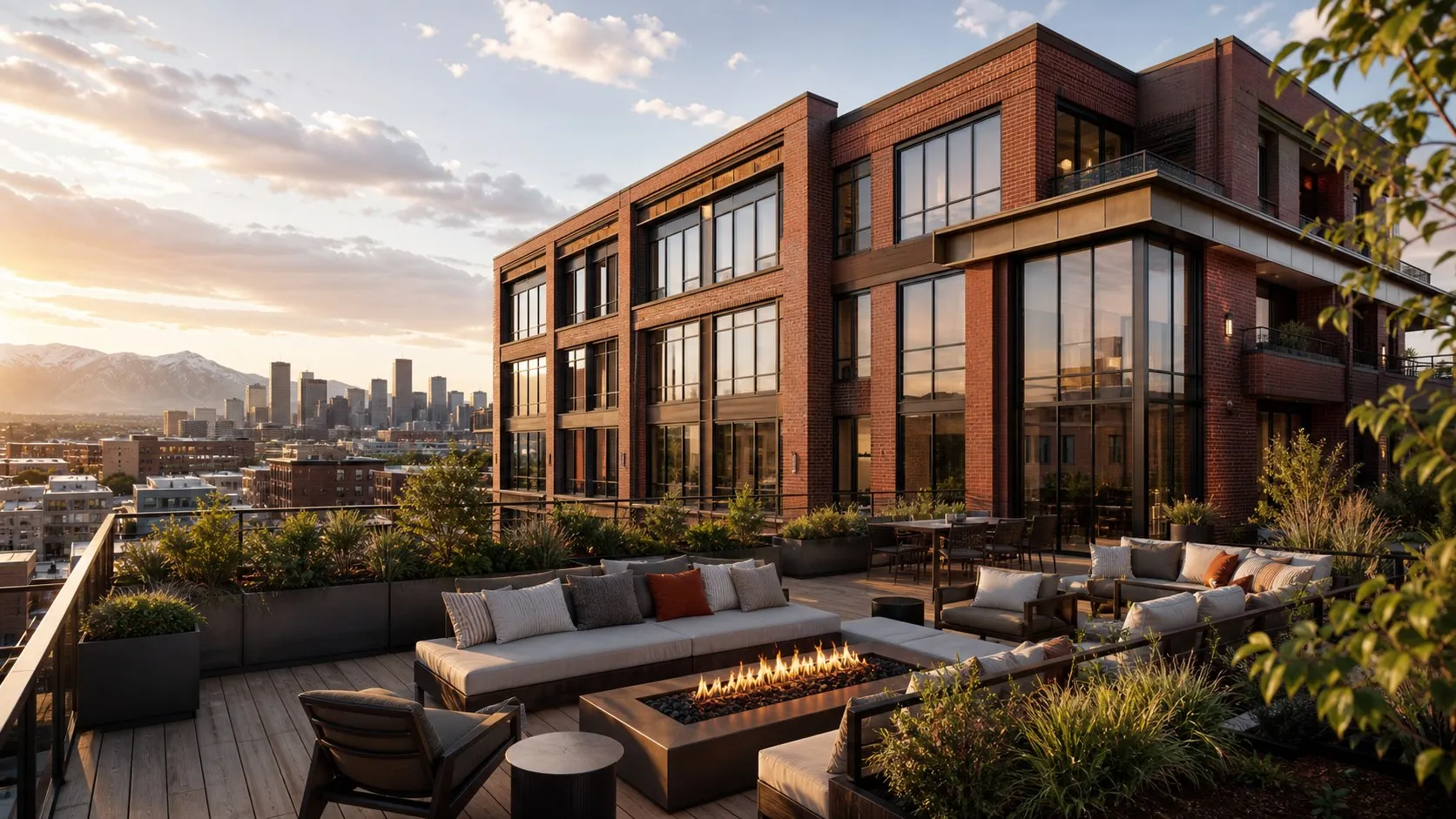
Marlowe is led by a team that has delivered for-sale housing in Denver before. Ellis Barmore, managing partner and sponsor, has 20 years developing for-sale homes across the Front Range and more than 600 delivered. Nadia Okafor, development director, runs entitlement, budget and programme.
Reyes Construction, a Denver mid-rise builder with a full book of brick-and-podium projects, builds Marlowe on a fixed-price contract. Halden Studio, a RiNo practice known for brick-and-glass infill, designed the scheme. The GP's $2.0M co-invest keeps the sponsor's capital at risk alongside the LP's.
M 12 / 16
Section 13
Value proposition
For the lender, the facility sits at 44 percent of value and 60 percent of cost, secured by a first charge, an assignment of pre-sale contracts and a completion guarantee, and repaid first from sales. Low leverage leaves a wide cushion before value is at risk.
For the equity, the deal earns a 26 percent net IRR into demand the market is not serving, with boutique for-sale product where nearly all new supply is rental. For buyers, it is the chance to own a well-built home in RiNo, walkable to transit, rather than rent or move out of the district.
M 13 / 16
Section 14
Development timeline
Phase one, through 2026, closes the land, finalizes entitlement, starts enabling works, opens the sales gallery and opens reservations around month 6. Phase two, across 2027, builds the superstructure to topping-out and begins fit-out, reaches about 55 percent pre-sold, draws the $16.0M of LP equity in full and takes the senior loan to its peak of $32.0M.
Phase three, in 2028, brings the homes to practical completion from month 25, peaks closings across months 26 to 31, and reaches full sell-out by month 33. Sales realize $72.2M and LP capital returns at 1.7x.
M 14 / 16
Section 15
Sensitivity & returns
The margin absorbs a real move in the assumptions. A 5 percent fall in sales prices still leaves $15.3M of profit and a 21.5 percent LP IRR; a 10 percent fall leaves $11.7M and 16.9 percent. A 5 percent overrun on build cost leaves $16.9M and 23.5 percent; a 10 percent overrun leaves $15.0M and 21.0 percent.
A 200 basis point move in the senior rate shifts profit by about $0.6M, since interest is only $2.78M of a $53.3M budget. Across the range the scheme stays profitable, cushioned by the 5 percent contingency and 44 percent loan-to-GDV.
M 15 / 16
Section 16
The ask
The deal has three routes in. As a loan application, we are seeking a $32.0M senior development loan at 60 percent loan-to-cost and 44 percent loan-to-GDV, over a roughly 32-month term, secured by a first charge and the pre-sale contracts, and repaid at sell-out around month 33. As an investment memorandum, we are seeking $16.0M of LP equity alongside $2.0M of GP co-invest and $3.3M of land rollover, earning a 26 percent net IRR and 1.7x over the hold, with an 8 percent preferred return ahead of the promote.
As a sale mandate, the completed building can be sold in one line to a single institutional buyer. A bulk sale at about $59M, roughly 18 percent below aggregate retail, still clears the senior loan 1.8 times, so the asset covers the debt even without a unit-by-unit sell-out. One programme, pre-sold ahead of delivery, with a block-sale floor under the whole deal.
M 16 / 16